Tuesday, October 18, 2011

Cabinet Types - What's the Difference?

When shopping for new kitchen or bathroom cabinets, Portland homeowners are faced with many different styles to choose from. There are stock cabinets, custom cabinets, RTA cabinets – the choices can be confusing and overwhelming! Never fear, friend – the experts at Stone Wood Outlet are here to clear up any confusion you may have.

The following are the four main types of cabinets available to Portland-area homeowners.

Ready-to-Assemble
Ready-to-assemble cabinets, or RTA, are the least expensive and the easiest to install. These affordable cabinets are great for people that don’t have a lot of space, don’t have a big remodeling budget, or move frequently. The downside? They’re not available in a many styles or colors, some brands are cheaply made, and they can be hard to match with an existing design scheme. Our suggestion: If you can afford it, go with a higher-quality cabinet type.

 Stock
Stock cabinets are exactly what they sound like. Manufactured in bulk, these cabinet types are available at low prices because of the sheer volume in which they are produced. The design options are limited when you choose stock cabinets, and you can’t install them in specialty kitchens are areas of the home with odd layouts. Still, they are affordable, and when paired with stylish furniture or appliances can result in a pleasing design scheme.

Semi-Custom
Semi-custom cabinets offer a greater range of sizes, shapes, styles, and colors, and involve you, the consumer, in a way stock and RTA cabinets do not. Most semi-custom ordering processes happen like this: You browse the different shapes, sizes, and styles of cabinets offered by the manufacturer. You pick the ones that fit your kitchen or bathroom style and size and order them. Because they are semi-custom, you can usually order them custom fit to your kitchen’s specifications. Semi-custom cabinets are a great way for Portland homeowners to get stylish, customized cabinets at a more affordable price.

 Custom
Custom kitchen cabinets offer you the opportunity to control every detail of your cabinet purchase, including material, design, and color. This is, of course, the most expensive of the cabinet options, but for those that can afford it it is well worth the cost. Not only can custom kitchen cabinets really tie a Portland room together, but they can add to the resale value of your home, much like hardwood flooring. Be careful with custom cabinets, however – because they are designed and built specifically for your space, once they’re made you can’t return them.
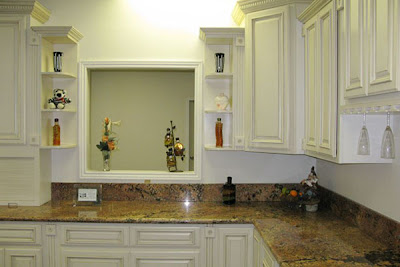

We hope this helped clear up any confusion you may have had about the different types of cabinets available to Portland-area homeowners. If you still have questions, please visit one of our three Portland locations, or give us a call at 503-222-9663.

Friday, October 14, 2011

Preparing Your Deck for Winter – 5 Things to Do Right Now


Winter can cause some serious damage to your hardwood decking. Without proper preparations, winter cold, rain, and snow can cause major problems, like wood rot and warping. Even naturally resilient species like Ipe and Cumaru decking can be at risk. Luckily for you, it’s not too late to properly prepare your hardwood deck for the coming winter weather. The following are five steps you can take to make sure your wood stands a chance against the rain and cold.
  1. Clean it.
    One of the biggest threats to Ipe or Cumaru hardwood decking is dirt and yard debris. Organic matter like leaves and grass can decompose and cause wood rot. Thoroughly remove all fungus, dirt, mildew, leaves, dirt, and other yard waste. If your deck is particularly dirty you may want to use a formulated deck cleaner.
  2. Strip it. 
    It’s natural for a deck finish to peal a bit over time. Now is the perfect opportunity to strip away any deteriorating or unwanted finish.
  3. Refinish it.
    If you needed to remove any of the deck’s finish you will need to refinish the spots you stripped. This will help keep your deck protected and looking good throughout the winter.
  4. Seal it.
    Use a water repellant to ward off any excess moisture and prevent water-related damage like cracking or warping.
  5.  Cover it.
    If you live in a part of the country that has particularly nasty winter weather, you might want to consider covering your hardwood decking with a waterproof deck cover. Deck covers are designed to be installed over Ipe or Cumaru hardwood decking during poor weather months.
Cumaru hardwood decking


Visit StoneWoodOutlet.com to learn more about exterior hardwood decking and get advice from our decking experts!

Monday, October 10, 2011

How Laminate Flooring Is Made

If you’re a fan of Stone Wood Outlet on Facebook, you’ll know that we recently added a whole line of laminate flooring to our list of in-stock inventory. Laminate flooring is a great alternative to hardwood flooring for a number of reasons: price, ease of installation, durability, and resale value, just to name a few. But few people know what laminate flooring is actually made of. Even less know how it’s made. This post will take a look at the components of laminate flooring and how they’re put together. Enjoy!

Components
Laminate flooring is made of four components bonded together. They are:

  • Wear layer – Designed for dimensional stability, stain resistance, and protection, most wear layers contain aluminum oxide, melamine resin, or another protective plastic.
  • Decorative Layer – A printed, high-resolution photo-reproduction of a wood grain, stone, or tile pattern, this layer is what gives the flooring its look.
  • Core Board – Usually made of high-density fiberboard or particle board, this layer helps improve moisture-resistance and dimensional stability.
  • Backing – This layer, made of melamine plastic, adds even more dimensional stability to the boards. It also helps prevent moisture from coming up from the sub-floor.

Assembly
First, the four layers are assembled in large sheets. Each layer is stacked on top of each other and pressed together at temperatures reaching upwards of 400 degrees. The sheets are pressed with up to 600 pounds/square inch of pressure. The pressing usually lasts around 30 seconds.

Imprint
Some laminate flooring varieties have a textured surface, a feature achieved with specialized plates that imprint a texture pattern on the outer layer of the board. This process is usually either included in the general assembly process or takes place immediately after, when the sheets are still hot.

Edging
After the sheets are cooled they are cut into planks of various sizes. Multiple precision saws are then used to cut the tongue-and-groove edges on the side of the planks, enabling the flooring to lock together during installation.

Inspection
Last but not least, the cut planks are inspected for quality. They are checked for color, texture (if applicable), finish, size, and that they interlock correctly.

laminate flooring

Visit the Stone Wood Outlet website to learn more about laminate flooring, including the many varieties we carry and why it may be the perfect flooring choice for you.

Friday, September 30, 2011

3 Important Considerations When Picking Tile Flooring

Tile flooring is a great way to add beauty and value to your bathroom, kitchen, living area, or hallway. When installed correctly, a tile floor will last the lifetime of your home. Make sure to reflect on these three important considerations before installing new tile flooring in your home. They will help you decide what type and style of tile to use.

Traffic
Not all tile is made equal. Some tile material is better suited for high-traffic areas. If you are planning on tiling a hallway, entrance-way, living room, or other high-traffic area, make sure you use Group V tile. Tile flooring is rated and characterized into groups; Group I - Group V. Group I tile is best suited for countertops, while Group V tile can endure heavy traffic and can be used almost anywhere.

Water
If you're tiling an area of your house that will see a lot of water (read: bathroom, kitchen, etc), you want to make sure you're using a tile that is rated as "impervious", "non-absorbent", and "non-porous". If you opt for a more porous tile in a bathroom or kitchen area you may be setting yourself up for some expensive repairs or replacement projects down the road.

Design
Not all tiles work best for artistic interior design projects. A creme porcelain tile might be just fine for a bathroom counter, but it might be a bit dull for an entranceway. Try livening up your tile flooring design with a textured or multicolor porcelian, or a patterned glass mosaic tile.

This glass mosaic tile would look stunning as a decorative entranceway or runner.

Friday, September 2, 2011

Product Spotlight: Tigerwood Decking

One of the most unique hardwood decking options available, Tigerwood features visually stunning black striping, soft brown-yellow tones, and a soft shine sure to add an exotic flair to any outdoor setting.

Tigerwood hardwood decking is a medium-density wood that is kiln-dried for maximum stability. It easily absorbs stains and oils, making it a very versatile decking choice for homeowners with a specific design scheme in mind. Since Tigerwood is naturally resistant to fungi, termites, and other nasty intruders, there is no reason for us to treat our wood with any harmful chemicals. This means you can use our Tigerwood decking anywhere - near a pool, along a boardwalk, as a balcony, etc.

tigerwood hardwood decking logs

Tigerwood decking is a very sought-after material, and the selection of Tigerwood at Stone Wood Outlet is some of the highest-quality you'll find in the Portland-Metro area. Visit one of our three locations to view a sample yourself, or go to the Tigerwood Hardwood Decking page on the Stone Wood Outlet website to learn more.

tigerwood hardwood decking